Retiring in Chattanooga Housing: Options to Compare
March 26, 2026
March 26, 2026
Thinking about retiring in Chattanooga but not sure which housing path fits your next chapter? You are not alone. Many retirees want lower maintenance, smart tax planning, and easy access to healthcare without sacrificing lifestyle. In this guide, you will see clear options for single-family homes, townhomes and condos, and senior living, plus quick tips on taxes, healthcare, and local programs that matter on a fixed income. Let’s dive in.
Tennessee does not tax retirement income. That means most pensions, 401(k)/IRA withdrawals, and Social Security are not taxed at the state level, which can help your budget last longer. At the same time, the state’s combined sales tax can approach 9 to 10 percent depending on locality, and property taxes are an ongoing cost you should plan for. You can read more in this state-by-state overview of retirement taxes from Kiplinger.
Hamilton County’s effective property tax burden is modest compared with many U.S. counties, based on the Tax Foundation’s county comparison table. If you want a quick baseline for home values, the U.S. Department of Housing and Urban Development reported a median sales price near 333,000 for the 12 months ending March 2025 in the Chattanooga housing market area. Use this as a starting point as you model taxes and affordability.
According to HUD’s Comprehensive Housing Market Analysis dated April 1, 2025, Chattanooga’s for-sale market is broadly balanced, with more active listings compared with the prior year. HUD reports a median sales price near 333,000 for the 12 months ending March 2025. Inventory differs by structure type. HUD notes tighter supply for single-family homes, roughly 4.1 months of inventory, and more choices in townhomes and condos, about 6 months of inventory. If you are shopping from out of state, that extra condo and townhome supply can mean more flexibility and time to decide.
Retirees often put healthcare at the top of the list. The Chattanooga area is served by Erlanger Health System and CHI Memorial, which offer a broad range of specialty services. Erlanger has also expanded specialty pharmacy support through a recent partnership. Veterans will find a VA Tennessee Valley community-based outpatient clinic in Chattanooga. If you plan to use VA benefits, confirm enrollment and local care access before you move.
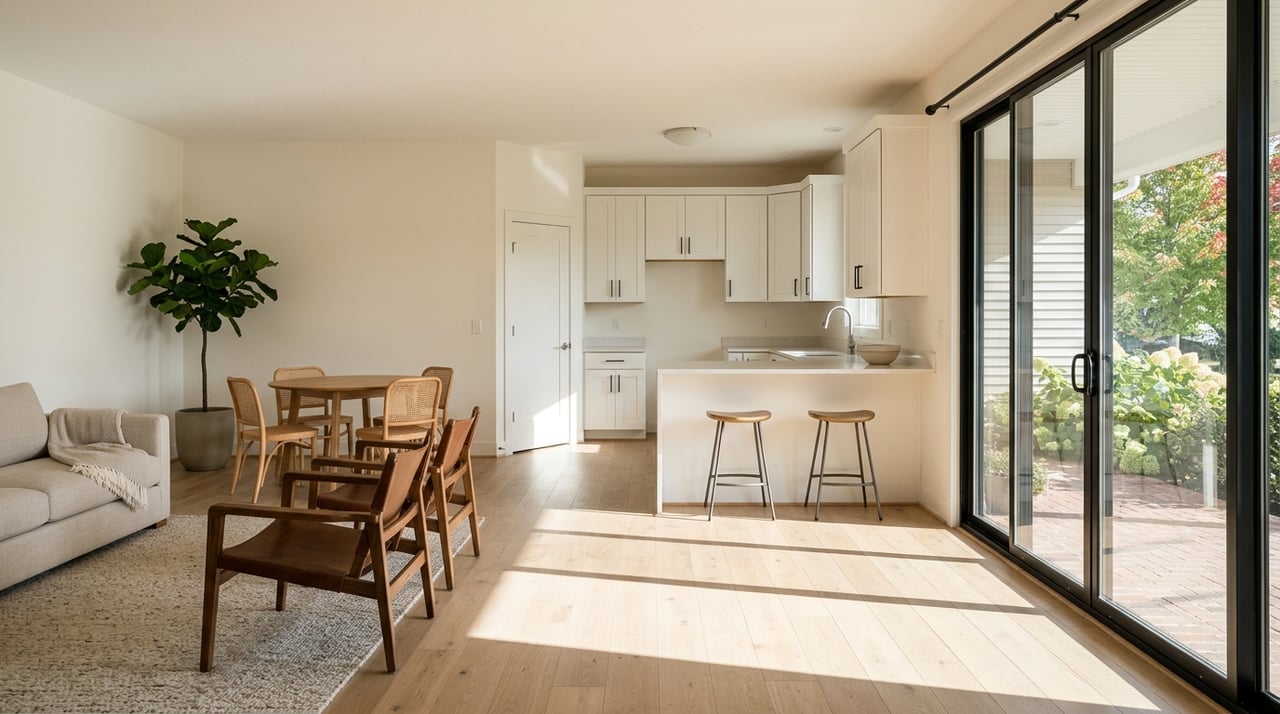
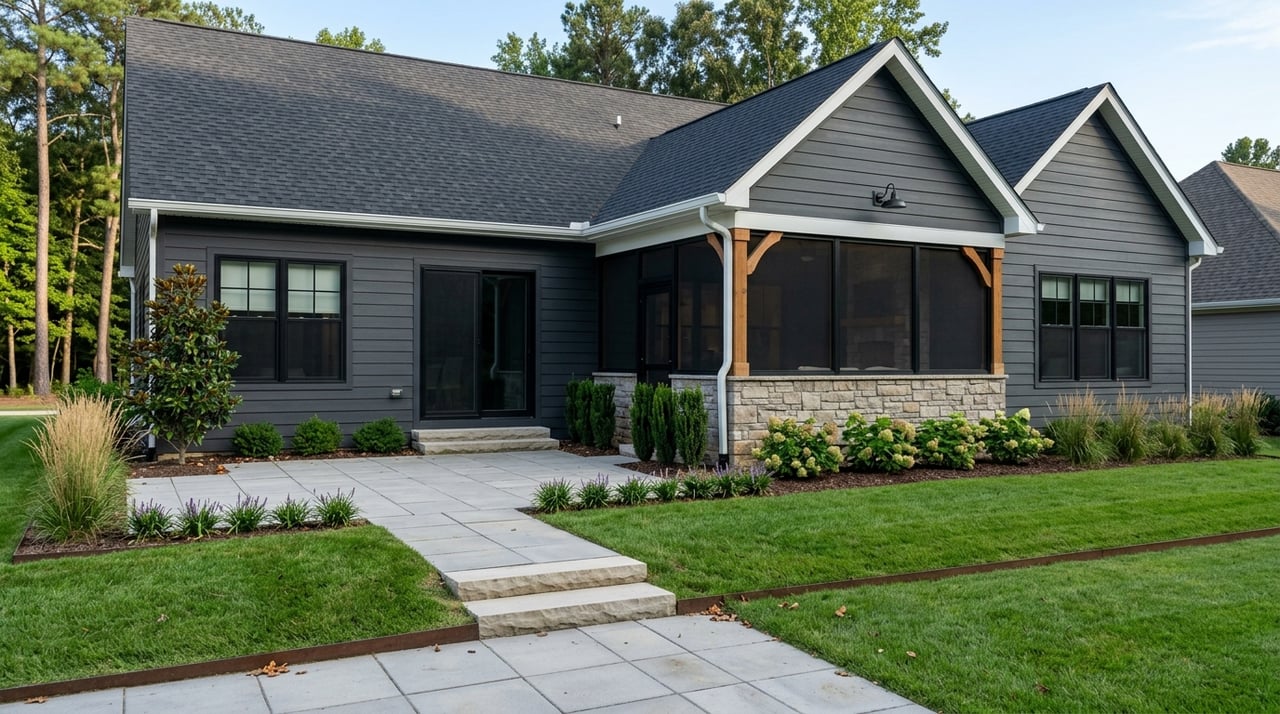
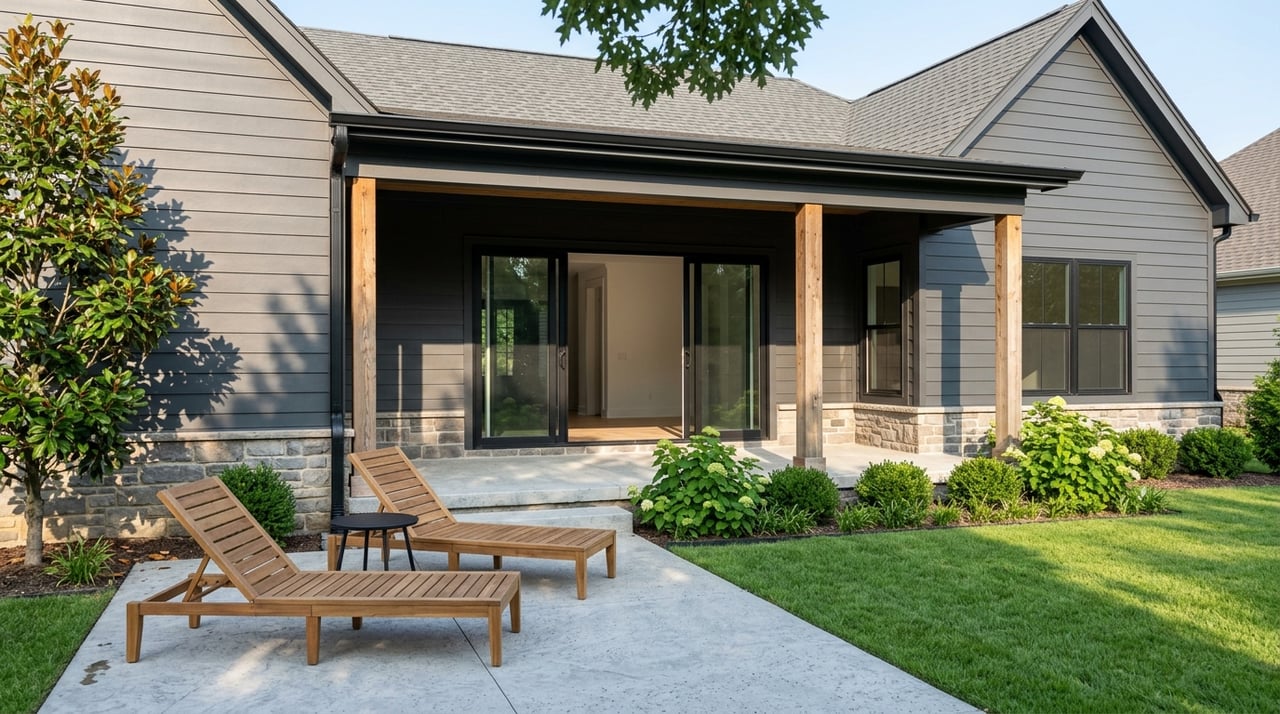
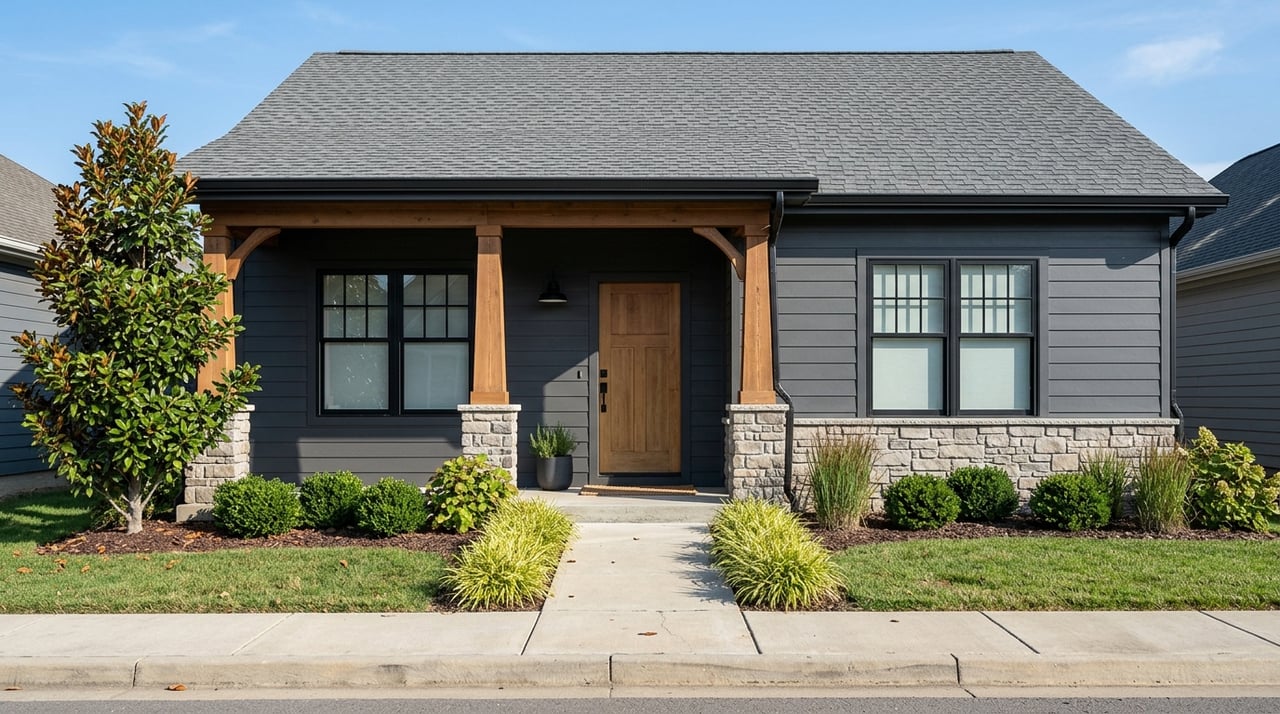
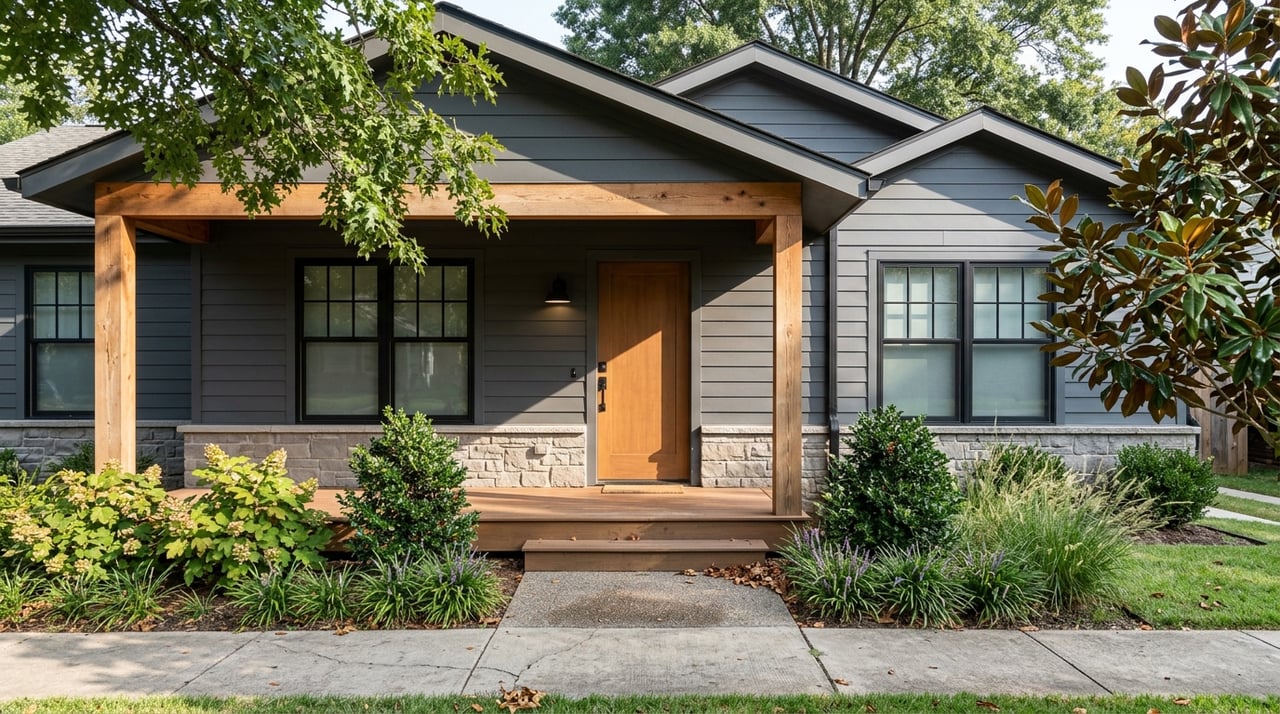
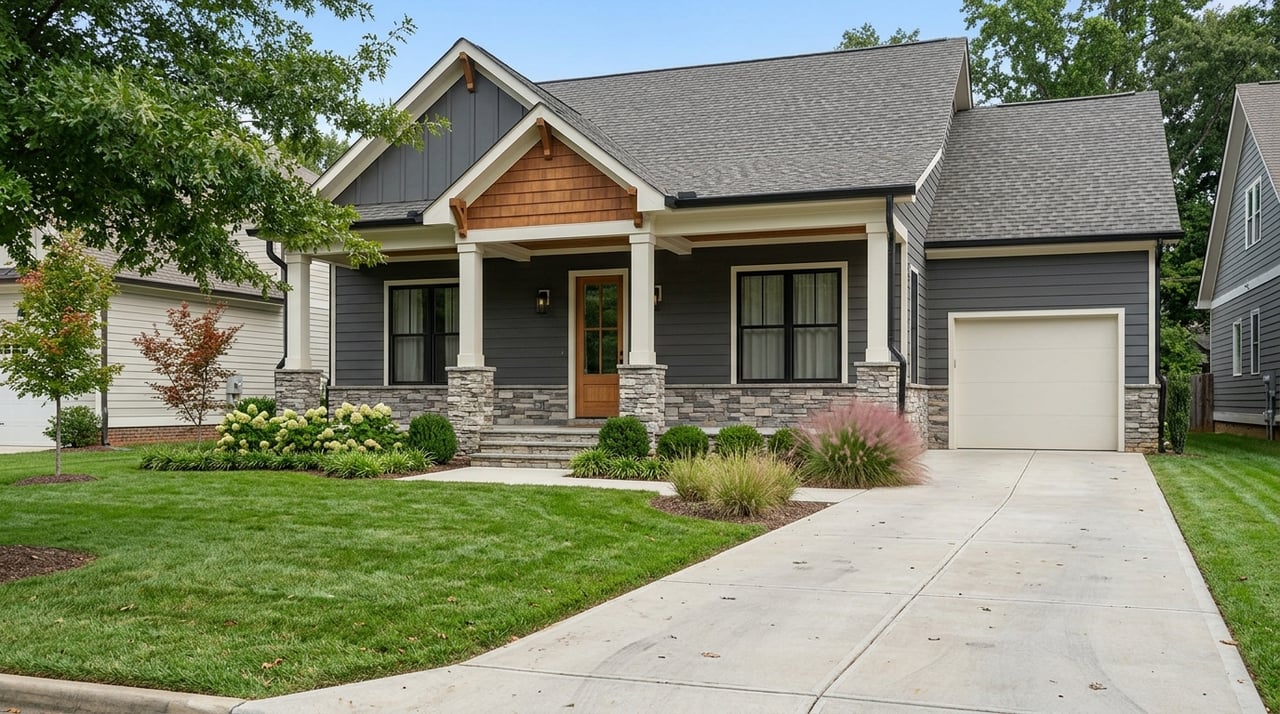
Single-family homes give you privacy, a yard or garden, and a wider resale pool. Many ranch-style or main-floor-primary homes in the suburbs can support aging in place with fewer stairs. The tradeoff is maintenance. Roofs, HVAC systems, and lawn care remain your responsibility. As you set expectations, HUD’s 2025 median near 333,000 offers a reasonable reference point for typical resale pricing in the region.
What to look for:
If you want lower maintenance and lock-and-leave convenience, townhomes and condos are popular choices. Many buildings handle exterior maintenance, landscaping, common-area insurance, and trash. Some communities include amenities such as pools or fitness rooms. The tradeoffs are monthly HOA dues, rules about modifications, and the possibility of special assessments.
Why this path can work in Chattanooga:
Before you write an offer, request and review:
If you want services on site or a plan for changing needs, consider an age-restricted community or a continuing care retirement community. The Chattanooga metro includes life plan campuses such as Alexian Village on Signal Mountain that offer independent living, assisted living, memory care, and skilled nursing in one location. This model can reduce future moves.
Care level basics:
Local cost context: Assisted living in the Chattanooga area often ranges about 4,500 to 5,500 per month depending on the level of care and amenities. Actual costs are community specific and usually adjust annually. Use this as a planning range, then confirm with on-site tours and written fee schedules.
If you value walkable access to restaurants, riverfront parks, and cultural events, start here. You are close to the Walnut Street Bridge, the Riverwalk, and downtown museums and theaters. The free downtown electric shuttle can help you get around without a car. For a quick flavor of local attractions and neighborhood highlights, browse the state’s Chattanooga travel brief.
These areas sit near the river and cultural institutions such as the Bluff View Art District and the Hunter Museum. You will find a mix of single-family streets and smaller condo or townhome buildings. The draw is simple access to dining, parks, and galleries without a long drive.
If you prefer a quieter setting and easy access to trails and scenic overlooks, consider these mountaintop towns. Signal Mountain is also home to Alexian Village, a continuing care campus that allows you to age in place on one site. You remain within a practical drive of downtown Chattanooga for appointments and events.
These suburban communities offer more single-family options, newer subdivisions, and often larger lots. If you want a yard or a workshop, they can be a strong fit. HUD’s market analysis references these submarkets in its regional view, which is helpful as you compare price and inventory patterns.
Target homes with:
Small updates like grab bars or threshold ramps often cost a few hundred dollars. Larger changes such as walk-in tubs or bath remodels can run into the thousands. Stairlifts range widely based on staircase type and features. National guides place stairlifts at about 2,000 to 20,000 in total project costs. Always get local bids and confirm permit needs.
Use this quick checklist:
Use this short list as you plan a Chattanooga retirement move:
Confirm market pricing and supply using HUD’s Chattanooga market analysis. This gives you a dated, authoritative benchmark for current conditions.
Review Tennessee’s tax structure for retirees so you understand the income tax advantage and the sales tax tradeoff.
Check Hamilton County and City of Chattanooga Property Tax Relief for low-income elderly or disabled homeowners and qualifying disabled veterans. The City page lists categories, income limits, and deadlines. It also notes that you must apply each year.
For veterans, verify your VA enrollment and the services available at the Chattanooga VA Clinic. Confirm any community care options before you relocate.
Map out healthcare access. Erlanger and CHI Memorial provide major hospital and specialty care in the metro, and you can use the ADA paratransit service if eligible.
If you are considering assisted living or continuing care, schedule tours and ask about staffing ratios, contract type, transition rules and rates, and any financial assistance pathways.
HUD market analysis for pricing and inventory.
Tennessee taxes for retirees.
City of Chattanooga Property Tax Relief details.
Chattanooga VA Clinic services and location.
CARTA Care-A-Van paratransit information.
Chattanooga assisted living cost context.
Retirement should feel clear and manageable. Whether you are weighing a one-level home in Ooltewah, a low-maintenance townhome near NorthShore, or a plan-based community on Signal Mountain, you deserve calm, data-backed guidance. With 28 years of local experience and veteran housing expertise, Jane Armstrong can help you map budget, maintenance, access to care, and long-term fit, then tour the right homes on your timeline. Request a Free Home Valuation or schedule a planning call to start your next chapter with confidence.
Stay up to date on the latest real estate trends.

Your real estate journey deserves a partner who listens, understands, and delivers. Jane Armstrong combines experience, local insight, and a personal touch to help you achieve your goals, no matter where you are in the process.