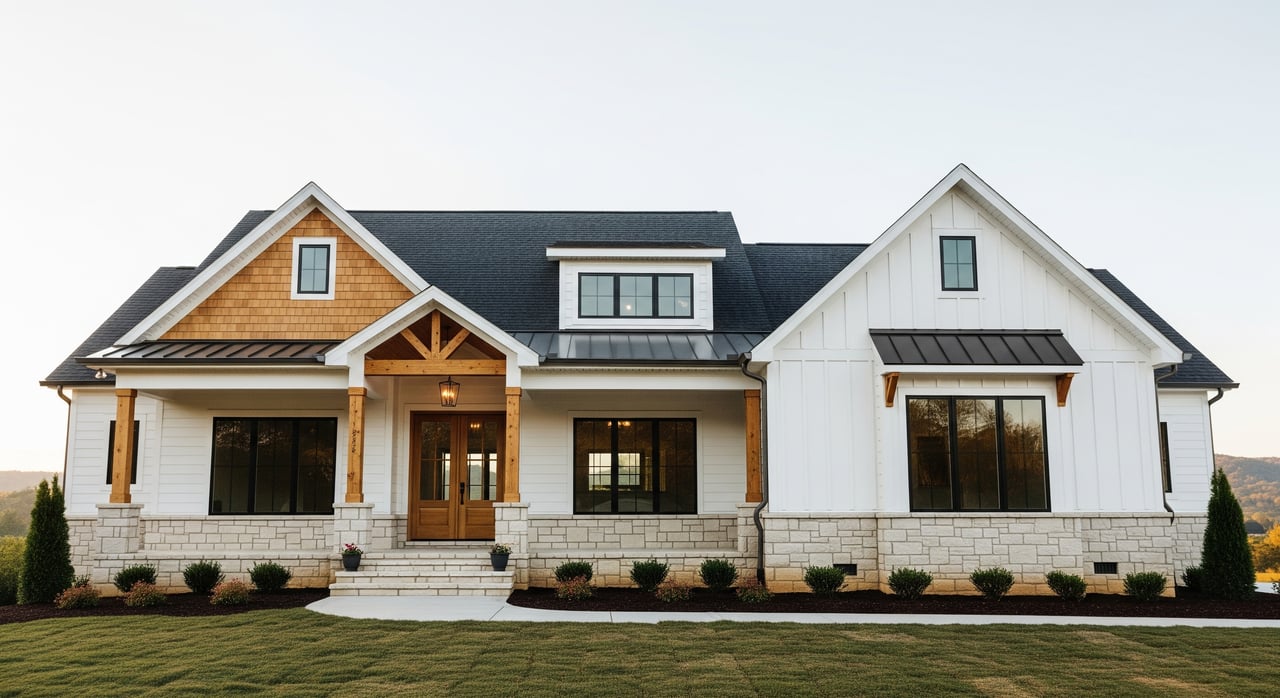
Buying New Construction In Ooltewah: A Step‑By‑Step Guide
December 11, 2025
December 11, 2025
Thinking about a brand-new home in Ooltewah? You’re not alone. With steady growth across East Hamilton and convenient access to I-75, new communities are taking shape and inventory homes pop up alongside build-to-order options. This guide walks you through the steps, the local checks that matter in Hamilton County, and the decisions that protect your budget and timeline. Let’s dive in.
You get modern layouts, energy-conscious systems, and the chance to tailor finishes to your style. In Ooltewah, many new neighborhoods include HOAs and Covenants, Conditions, and Restrictions, so you’ll want to understand rules on exteriors, landscaping, and rentals before you commit. Proximity to major routes and local services is a frequent priority for buyers here. Because Ooltewah is within Hamilton County, you should treat regulations, taxes, and permitting at the county level.
Decide if you need an inventory home soon or if a 4 to 12 month build fits your plans. Outline your budget ceiling, must-have features, and preferred lot type. Think about resale appeal when choosing floor plans, elevations, and community amenities. A clear plan guides every next step.
Hire a buyer’s agent who knows new construction and local builders. The builder’s agent represents the builder, so you want your own advocate. Get a pre-approval and discuss whether a conventional mortgage or a construction-to-permanent loan is the right fit. Your financing type may influence your timeline and contract terms.
Compare builder reputations, warranty programs, and completed local projects. Walk model homes and recent closings to see finish quality up close. Ask for references from buyers in the same development. Confirm what’s standard versus an upgrade in each product line.
Assess the lot’s orientation, slope, drainage, tree coverage, and any easements. Confirm whether the property connects to municipal sewer or will require a septic system. Request a site survey and verify the building envelope. Check floodplain status and utility availability early to avoid surprises.
Contracts differ for spec homes versus presale lot-plus-build agreements. Negotiate base price, lot premiums, builder concessions, allowances, upgrade pricing, and who pays for taps, driveways, landscaping, and irrigation. Confirm the construction timeline, change-order policy, and remedies for delays. Get every term in writing before you sign.
Clarify what’s included in the base price and what counts as an upgrade. Get written pricing on selections such as flooring, cabinets, counters, appliances, and lighting. Understand allowance amounts and how overages are billed. Lock selections on time to keep your build on schedule.
Plan milestone check-ins: foundation, pre-drywall, and final walk-through. Many buyers hire an independent inspector for pre-drywall and final inspections to document issues early. Keep notes and photos as you go. Your agent can help coordinate site access and builder communications.
Follow the builder’s process and request written approvals and pricing for every change. Avoid late-stage changes that can trigger delays and cost increases. Keep a running tally of approved changes and your remaining allowance. Small choices add up quickly.
Schedule your final walk-through near the Certificate of Occupancy. Build a punch list of touch-ups and confirm which items are completed pre-closing. Collect key documents such as warranties, manuals, HOA packets, and an as-built survey if provided. Make sure your title company addresses lien releases and issues owner’s title insurance.
Track new-home issues as they arise and submit claims per the builder’s procedure. Many builders follow a common pattern of coverage for workmanship, systems, and structure, but confirm the exact terms in writing. Keep all paperwork and dates in one file. Calendar check-ins for warranty deadlines so nothing slips by.
Because Ooltewah is within Hamilton County, verify key items with county offices or the builder’s documentation. Confirm sewer versus septic, school attendance zones, and local utility providers for electric, gas, water, sewer, and broadband. Review floodplain status through FEMA mapping and county resources, since it can affect build requirements and insurance. Ask about impact fees, tap fees, and any special assessments within the subdivision.
Expect permits for building, electrical, plumbing, mechanical, and erosion control. Septic permits apply if the home is not on sewer. A Certificate of Occupancy is typically required before you close or move in. In addition to county inspections, consider independent inspections at pre-drywall and final for an added layer of quality control.
At closing, collect plans and final selections, the CO, warranties and manuals, HOA and CCR documents, and any utility tap or impact fee receipts. Request evidence of lien waivers from subcontractors where applicable. Confirm your title company clears liens and issues owner’s title insurance. Keep copies of everything in one place for future reference.
Your financing can match your build type. Spec homes often use a standard conventional mortgage, while presales may benefit from a construction-to-permanent loan that converts at completion. Construction-only loans and government-backed options such as FHA, VA, or USDA may be available with approved builders. Some builders offer lender credits or upgrade incentives when you use their preferred lender, so compare the full cost across options.
You can also explore potential energy rebates through local utility programs and review any state or federal tax credits for energy-efficient equipment. Check the Tennessee Housing Development Agency for possible down payment assistance programs if you qualify. Property taxes for new construction are reassessed after completion, which can change the annual amount due. Insurance costs vary by location, construction materials, and flood zone, so confirm requirements early, especially if a lender is involved.
Inventory homes can close in weeks to a few months depending on construction stage and your mortgage timeline. Build-to-order homes commonly range from about 4 to 12 months, depending on site work, permitting, selections, and weather. Custom builds can take longer. Ask builders about current permit turnaround times and typical schedules in Ooltewah so you can plan move-in dates with confidence.
New construction has many moving parts, from contract terms to inspections, permits, and HOA rules. A steady, experienced advisor helps you avoid costly missteps and stay on schedule. If you’re building or buying in Ooltewah, you deserve a proactive plan, clear communication, and strong negotiation at every step.
Ready to explore Ooltewah new builds or inventory homes with a trusted local partner? Reach out to Jane Armstrong to start a focused plan and move forward with confidence.
Stay up to date on the latest real estate trends.
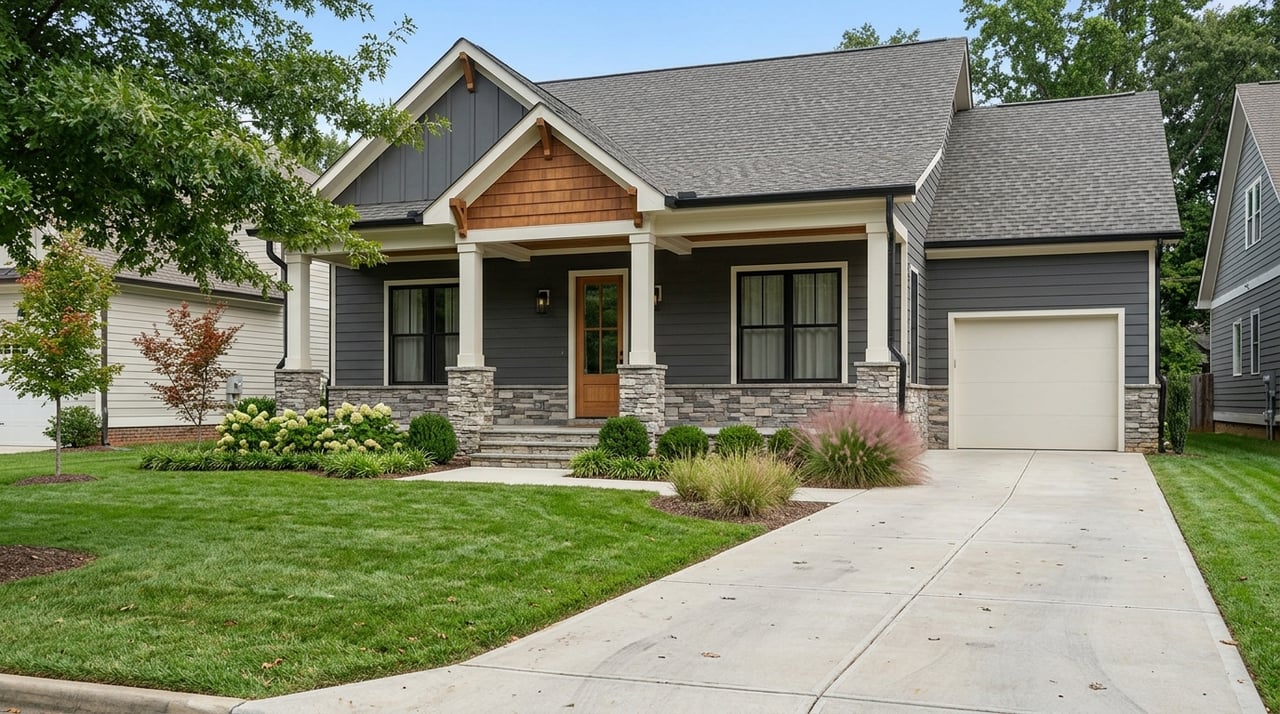
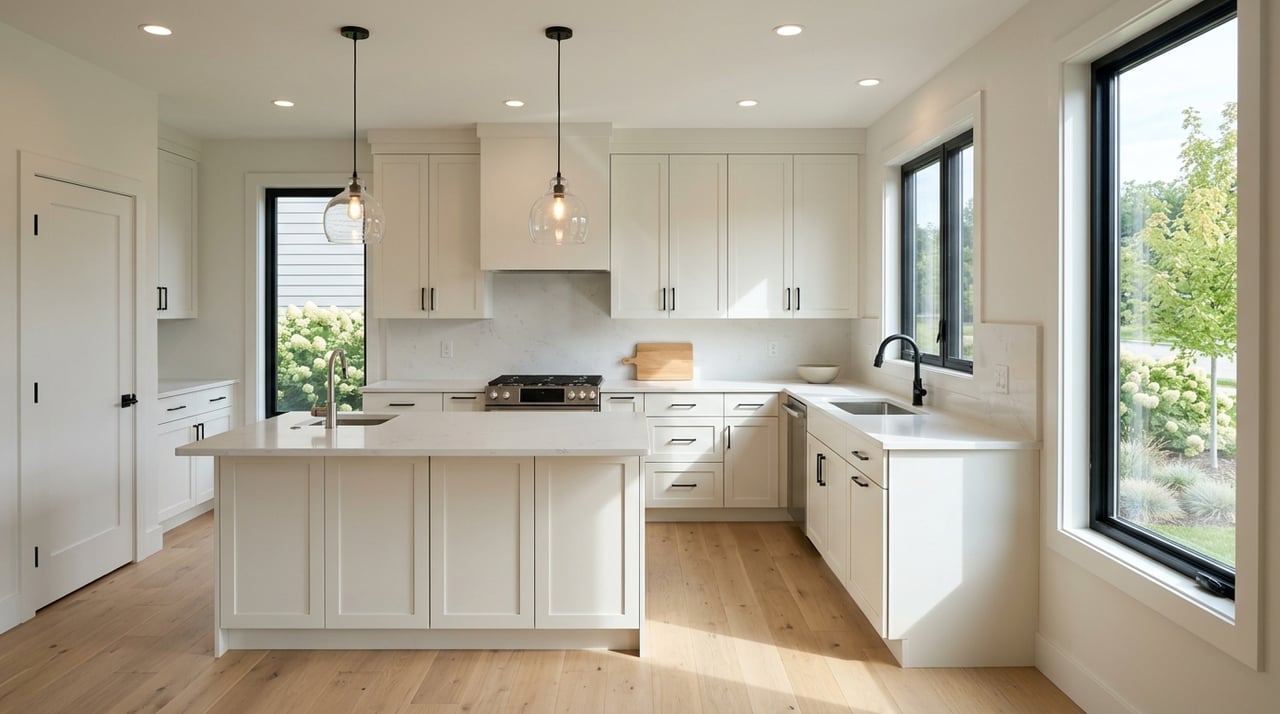
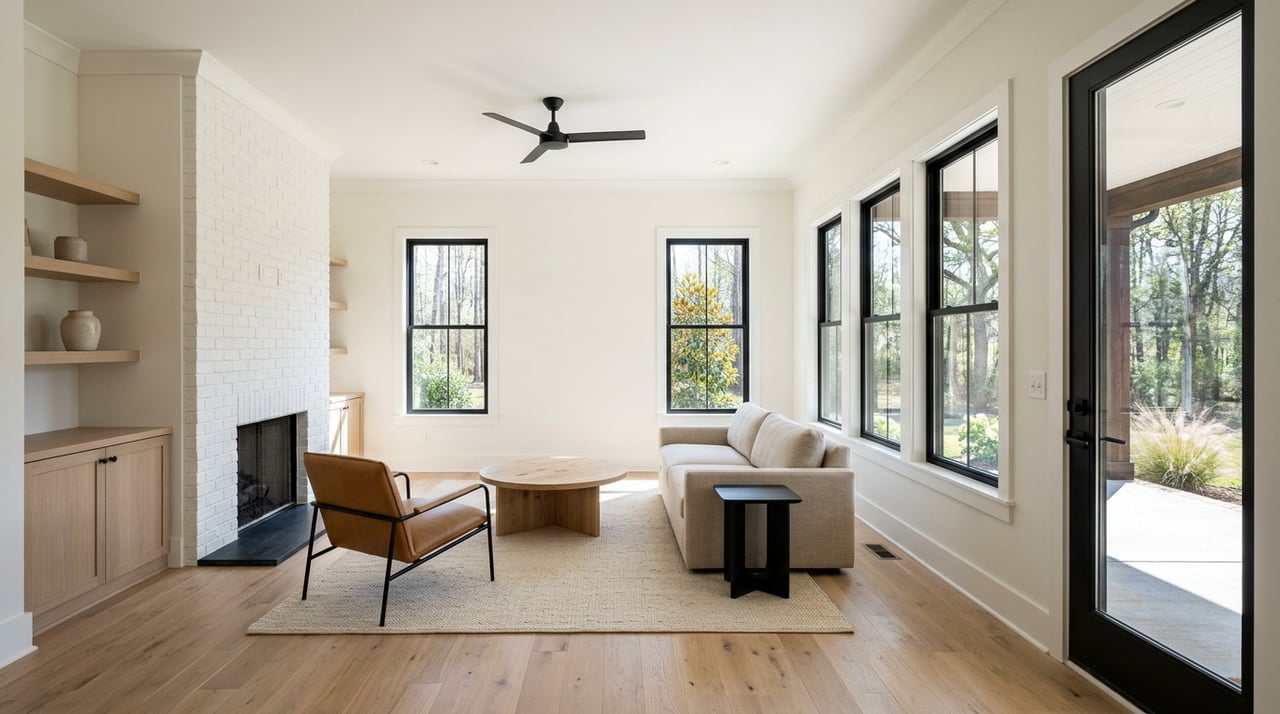
Your real estate journey deserves a partner who listens, understands, and delivers. Jane Armstrong combines experience, local insight, and a personal touch to help you achieve your goals, no matter where you are in the process.