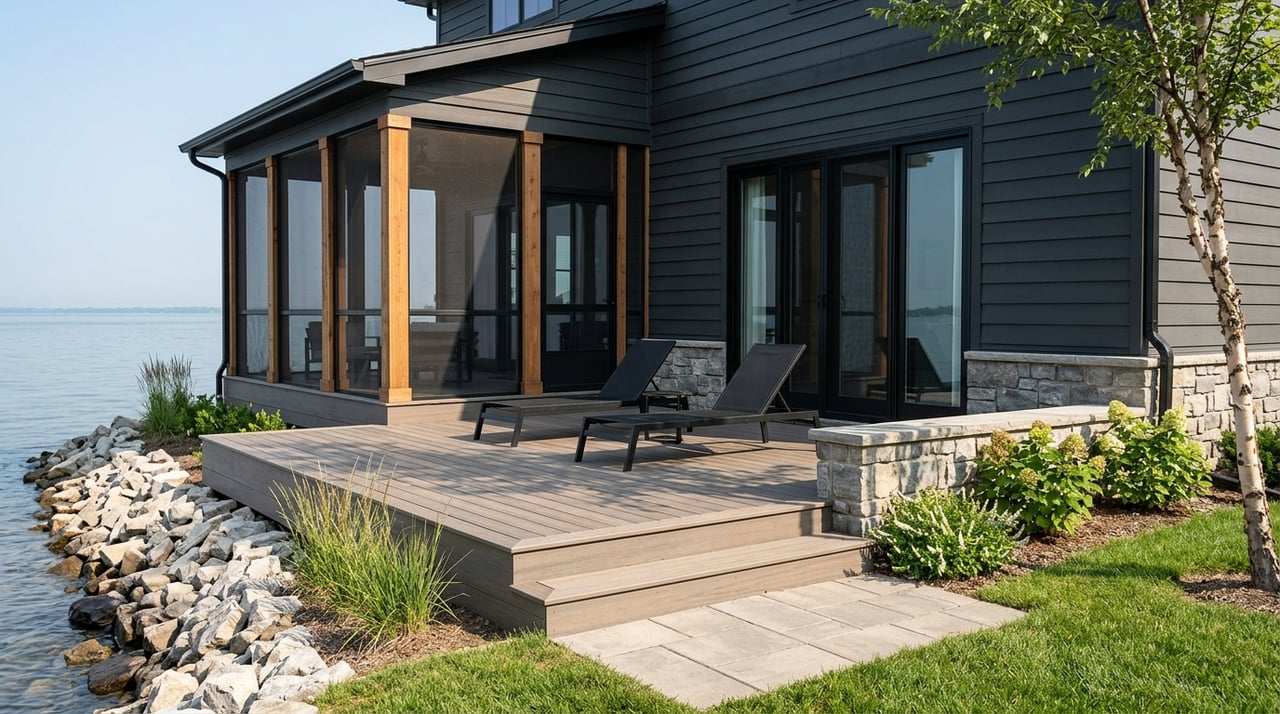
What Riverfront Living Looks Like In Chattanooga
July 23, 2026
July 23, 2026
Looking for a home where the river is part of your everyday routine, not just a weekend backdrop? In Chattanooga, riverfront living is less about one single neighborhood and more about a connected lifestyle built around parks, paths, dining, events, and easy access to downtown. If you are wondering what that lifestyle really feels like, what types of homes you can expect, and what to watch for before you buy, this guide will help you see the full picture. Let’s dive in.
In Chattanooga, riverfront living centers on a compact urban waterfront along the Tennessee River. Instead of one isolated waterfront subdivision, you will find a connected corridor that links downtown Chattanooga, Ross’s Landing, Coolidge Park, Northshore, Bluff View, and St. Elmo.
A big part of that connection is the Tennessee Riverwalk and Riverpark system. Hamilton County describes the trail system as 13 miles or 16 miles, depending on how the connected corridor is counted, but the key takeaway is simple: this is a substantial stretch of public waterfront that shapes daily life.
For many buyers, that is what makes Chattanooga stand out. The river here is not tucked away behind private gates. It is woven into how you move through the city, spend your weekends, and enjoy your surroundings.
If you choose a riverfront or river-adjacent home in Chattanooga, your routine may feel more walkable and active than in many other parts of the city. You are closer to walking paths, bike routes, public green space, local restaurants, and waterfront gathering spots.
This part of Chattanooga functions more like a lifestyle district than a quiet suburban waterfront enclave. That means you are not just buying a view. You are buying access to a setting where the river is part of everyday living.
For some buyers, that is the main appeal. You can step outside for a walk, meet friends for coffee, spend time in the park, or head toward downtown attractions without planning your whole day around a car ride.
Northshore is one of the clearest examples of walkable riverfront living in Chattanooga. It connects with downtown by four bridges, including the Walnut Street Bridge, which is known as one of the longest pedestrian-only bridges in the world.
That setup gives residents a flexible routine. You can move between the shores on foot, by bike, or by shuttle, which adds real convenience if you want an urban lifestyle near the water.
CARTA also operates a free all-electric shuttle system with Downtown, North Shore, and St. Elmo/Incline routes. For buyers who want to live near restaurants, parks, and downtown amenities, that can be a meaningful quality-of-life advantage.
There is one practical detail you should know right now. The City of Chattanooga says the Walnut Street Bridge is under renovation, with expected completion in September 2026.
During that period, pedestrians are being detoured to the Market Street Bridge and Veterans Bridge. Riverfront living still supports a walkable routine, but if a direct Northshore-to-downtown crossing is high on your list, it is smart to verify the latest bridge and shuttle status before you buy.
One of the strongest reasons buyers are drawn to this area is easy access to the outdoors. Coolidge Park is a standout waterfront destination in Northshore, with open green space, a walking path, an interactive fountain, and a restored 100-year-old carousel.
The broader Riverpark system adds even more to daily life. Hamilton County says the Riverpark includes more than 150 acres along the river, and the Riverwalk supports walking, biking, skating, running, fishing piers, and launches.
That means the riverfront lifestyle is not only scenic. It is active and practical. If you value being able to get outside without a long drive, Chattanooga’s waterfront offers that in a very direct way.
Another advantage of Chattanooga’s riverfront is how closely outdoor space and daily conveniences sit together. The Riverfront district is known for green space, local eateries, and event activity, while nearby businesses include restaurants, coffee shops, pubs, entertainment, and retail.
Northshore adds even more day-to-day convenience. The area includes grocery options like Whole Foods and Publix, along with boutiques and retail along Frazier Avenue and Cherokee Boulevard.
You will also find a wide restaurant mix nearby, from brunch spots and tacos to Italian, vegan options, sweets, and casual coffee stops. For many buyers, this blend of recreation and convenience is a major part of the value.
If you are drawn to something more intimate and scenic, Bluff View offers a different riverfront experience. This area overlooks the Tennessee River and is known for historic buildings, galleries, sculpture gardens, patios, and cafes.
It has a more boutique feel than some other waterfront areas. Preserved homes and an inn from the late 1800s and early 1900s give the district a distinct sense of place.
For buyers, Bluff View can feel less like a broad lifestyle corridor and more like a tucked-in pocket with strong visual character. If charm and scenery matter to you, it is worth paying close attention to this part of the waterfront.
Chattanooga’s waterfront is lively, and that is part of the draw. Riverfront Nights, Wine Over Water, and other concerts, festivals, and markets bring regular energy to the area.
Coolidge Park and Northshore also host recurring public events. If you enjoy being near community activity, that can make the riverfront especially appealing.
At the same time, it is helpful to go in with clear expectations. Visitor traffic and event parking are part of the experience, especially on busy weekends.
Housing near Chattanooga’s riverfront tends to reflect the urban setting. The closer you get to downtown and the river corridor, the more likely you are to see condos, lofts, and mixed-use residences rather than detached houses.
That pattern is especially clear in downtown Chattanooga, where available inventory leans heavily toward condos and historic or modern loft-style living. Buyers who want a lower-maintenance property often find that appealing.
Northshore and North Chattanooga usually offer more variety. According to neighborhood sources, you can find historic and newer single-family homes, townhomes, apartments, and condos, along with styles ranging from bungalows and Craftsman homes to ranch-style and modern builds.
River-adjacent living in Chattanooga generally comes at a premium compared with the citywide baseline. Zillow places Chattanooga’s average home value at $324,364 and its median sale price at $342,000.
Recent neighborhood snapshots show higher directional pricing near the river. Downtown Chattanooga is around a $399,900 median listing price, Riverfront is roughly $525,000 to $549,000, and North Chattanooga is about $562,000 to $625,000 depending on the source and whether the figure reflects listing or sold data.
The most useful way to read those numbers is as a pricing spectrum. Smaller condos and lofts may still appear in the low-to-mid $300,000s, while homes in the broader Northshore and North Chattanooga market often trend into the mid-$500,000s or higher.
At the upper end, nearby Riverview is in a very different category. Zillow shows a median home value above $1.8 million there, which shows just how wide the river-adjacent price range can be in Chattanooga.
Part of the price premium comes from limited supply in the most sought-after river pockets. Realtor.com shows far fewer homes for sale in Riverfront than in Downtown Chattanooga overall.
That smaller inventory can make river-oriented homes feel more competitive. When buyers want a combination of waterfront access, walkability, parks, and downtown convenience, there are simply fewer properties that check every box.
If you are serious about this lifestyle, preparation matters. A clear budget, realistic wish list, and strong understanding of the micro-area can help you move with confidence when the right property appears.
Riverfront living in Chattanooga makes the most sense if you are buying for lifestyle as much as square footage. You may be paying more than the citywide norm, but in return you gain access to the Riverwalk, parks, dining, events, and a more connected day-to-day experience.
It can be a great fit if you want to be near activity and appreciate the convenience of an urban waterfront setting. It may be less ideal if you prefer a quieter, more tucked-away environment with minimal event traffic.
The key is knowing what matters most to you. Some buyers want a condo near downtown attractions, while others want a home in North Chattanooga with a little more variety in housing style and feel.
If you are considering a move to Chattanooga’s riverfront area, start by focusing on how you want to live. Think about whether your priority is walkability, park access, dining, views, lower maintenance, or a specific housing type.
Then compare the micro-areas carefully. Northshore, downtown, Bluff View, and other river-adjacent pockets can offer very different daily experiences, even though they all connect to the same broader waterfront lifestyle.
It is also wise to factor in current transportation patterns. With the Walnut Street Bridge renovation underway, your preferred route between home, downtown, and the waterfront may look different in the near term than it will after project completion.
A riverfront purchase is often as much about fit as it is about price. When you understand the location, the housing mix, and the daily rhythm of the area, you can make a much more confident decision.
If you want experienced guidance as you compare Chattanooga’s riverfront options, Jane Armstrong can help you evaluate neighborhoods, pricing, and property types with a steady, local perspective.
Stay up to date on the latest real estate trends.
Your real estate journey deserves a partner who listens, understands, and delivers. Jane Armstrong combines experience, local insight, and a personal touch to help you achieve your goals, no matter where you are in the process.