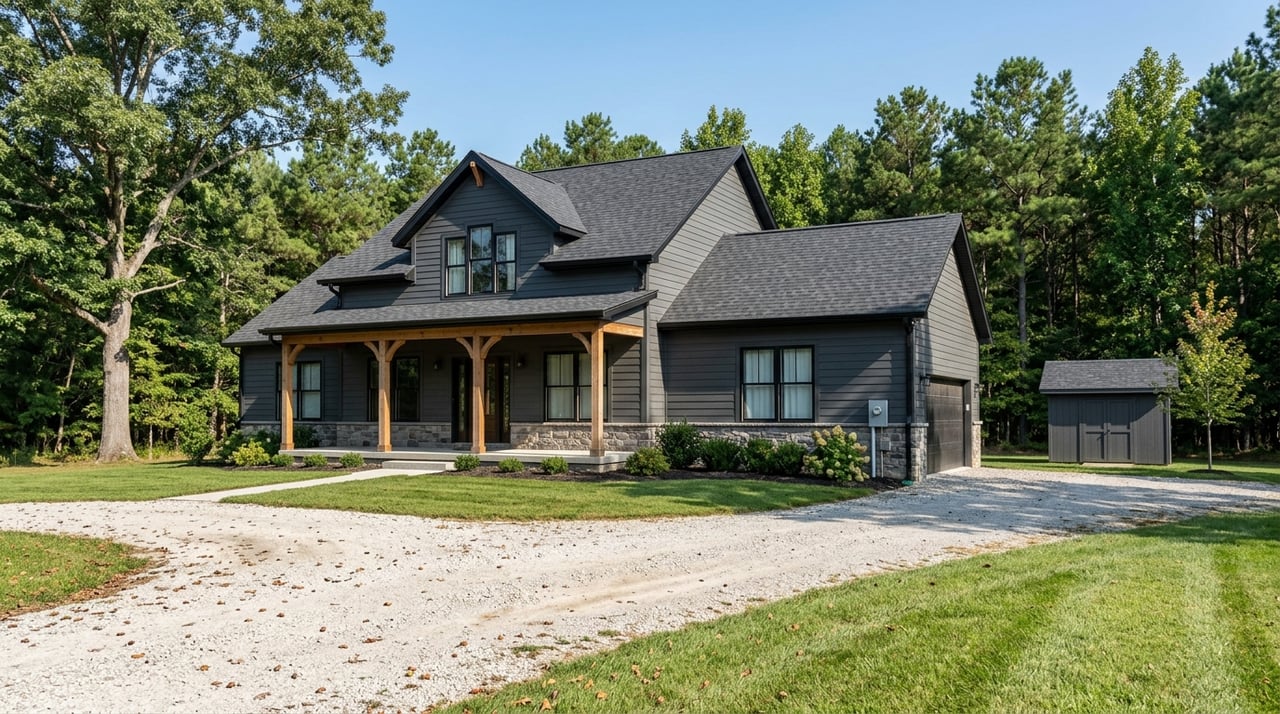
Buying Land Or Mini-Farm Property In Ooltewah
July 2, 2026
July 2, 2026
Dreaming about a few acres in Ooltewah sounds simple until you realize that not all land works the way it looks on paper. A beautiful tract may seem perfect for a home, a barn, or a small farm setup, but zoning, septic, utilities, and road access can quickly change what is actually possible. If you want to buy land or a mini-farm property in Ooltewah with confidence, it helps to know what to check before you close. Let’s dive in.
When you buy acreage in Ooltewah, zoning should come before the size of the parcel. A property can have plenty of land and still have limits on what you can build or how you can use it.
In Hamilton County, the A-1 Agricultural District allows uses such as crops, grazing, poultry and livestock, stables, kennels, detached single-family dwellings, and a small on-site farm stand for products grown on the property. That makes A-1 an important zoning category for buyers who want a mini-farm setup. Even so, agricultural zoning is not unlimited, and the district still has a density limit of two dwelling units per acre.
If you are looking at residential land, lot size rules can also vary based on utilities. In Hamilton County, minimum lot size can change significantly depending on whether the property uses septic and well service or public sewer. In practical terms, buildability depends on more than acreage alone.
Current zoning is only part of the picture. Hamilton County also posts zoning maps and future place-type maps through its planning department, which can help you understand how a parcel is categorized now and how the area may be planned going forward.
That matters if you are hoping to create a mini-farm, build a home, hold land for the future, or explore a property with more than one possible use. If your plans include produce sales, events, rentals, or another nonstandard use, those activities may fall under separate rules. It is smart to verify that early, before spending money on clearing, surveys, or engineering.
One of the biggest surprises in land purchases is how often utilities reshape the entire deal. A parcel that looks affordable at first can become much more expensive if utility access is limited or unclear.
In the Ooltewah service area, Hamilton County WWTA provides sewer service only. It does not own water meters, and sewer charges are based on water consumption billed through the surrounding water provider. That means you should verify water access, sewer access, and how billing works for that specific parcel rather than assuming they come as a package.
For many buyers, this is where the economics of the property become clearer. If sewer is not available, septic feasibility becomes a major part of due diligence, and that can affect both cost and timeline.
If the parcel is not on public sewer, you should treat septic review as its own approval process. A visual walk of the land is not enough to confirm that a homesite will support the septic system you need.
Hamilton County Development Services handles groundwater-related reviews, including lot review, new permits, modifications, repairs, water sampling, and some permit and inspection workflows. Tennessee also requires a septic system construction permit for installation or repair. UT Extension Hamilton County specifically notes that it does not perform septic perc tests or soil mapping.
The takeaway is simple. If you are considering raw land or a mini-farm property in Ooltewah, plan for review by the proper county or state-approved professionals rather than relying on assumptions.
Access is another issue buyers sometimes overlook. Just because a tract fronts a road does not mean the driveway or entrance work will be simple.
Hamilton County’s Highway Department requires permits for work in the county right of way, including road cuts and driveway-related work. The county also notes that it no longer installs driveway tiles. If the property involves a floodway or a 100-year flood zone, added review for land disturbance or no-rise approval may be required before a right-of-way permit is issued.
Before digging, Tennessee 811 should be contacted to have buried utilities marked. If the parcel fronts a county road, the Highway Department is the first place to check. If it fronts a state road, the issue may fall under TDOT instead.
Many land buyers focus only on whether they can build a house, but permitting often reaches further than that. In Hamilton County, a building permit is required for any new structure, addition, alteration, or repair.
The county has adopted the 2018 International Residential, Building, Plumbing, Mechanical, Fuel Gas, Fire, Pool and Spa, and Energy codes, along with the 2020 National Electrical Code. If you plan to build on your land, those code standards shape the path forward.
There is also a rule for owner-built homes. Hamilton County allows one owner-built single residence every two years for personal use, not for resale, lease, or rent. If your plan is to build for yourself, that distinction matters.
Land and mini-farm deals often take longer than buyers expect. The reason is simple: multiple county departments may need to review different parts of the project.
Hamilton County’s planning process now follows a defined calendar for Planning Commission applications, including zoning cases and major or minor plats. The Planning Commission meets on the second Monday of each month, and that monthly rhythm can affect how quickly a transaction moves if the property needs rezoning or plat approval.
A simple parcel that is already buildable and has clear utility access may move forward in a matter of weeks. If the tract needs rezoning, septic design, driveway approval, floodplain review, or subdivision work, the process may take several months. Setting realistic expectations early can help you negotiate a better due-diligence period.
A strong land purchase usually involves more than a lender and a closing date. Before you commit to a property, it helps to build the right team around the transaction.
A good place to start is the Hamilton County Assessor’s office, which allows parcel research by parcel number, street, owner, and other fields. That can help you confirm parcel-level details before you move deeper into due diligence. Because inspection and permit rules can vary by location, you should also confirm whether the property falls in the county or within a municipality.
From there, many acreage buyers benefit from working with:
Hamilton County Development Services keeps references for licensed septic installers and soil consultants. Tennessee’s contractor license verification tools can also help confirm whether a contractor is properly licensed.
With Ooltewah land and mini-farm properties, the real challenge is often not finding the parcel. It is knowing which questions to ask before you become financially committed.
An experienced local agent can help coordinate the moving parts and recognize common red flags. That may include spotting when a property is effectively septic-only, when road access will need county approval, when a survey or flood review is missing, or when a longer due-diligence period makes sense.
That kind of process management can save you time, money, and stress. When you are buying acreage, a steady, local guide can help you stay focused on what the property can realistically do for you, not just what the listing photos suggest.
Before you move forward on a land or mini-farm purchase in Ooltewah, ask these questions early:
The more answers you have up front, the more confident you can feel when it is time to make an offer.
If you are considering land or a mini-farm property in Ooltewah, having experienced guidance can make the process much clearer. Jane Armstrong brings deep local knowledge, careful transaction management, and a steady approach that helps you evaluate acreage with confidence.
Stay up to date on the latest real estate trends.
Your real estate journey deserves a partner who listens, understands, and delivers. Jane Armstrong combines experience, local insight, and a personal touch to help you achieve your goals, no matter where you are in the process.