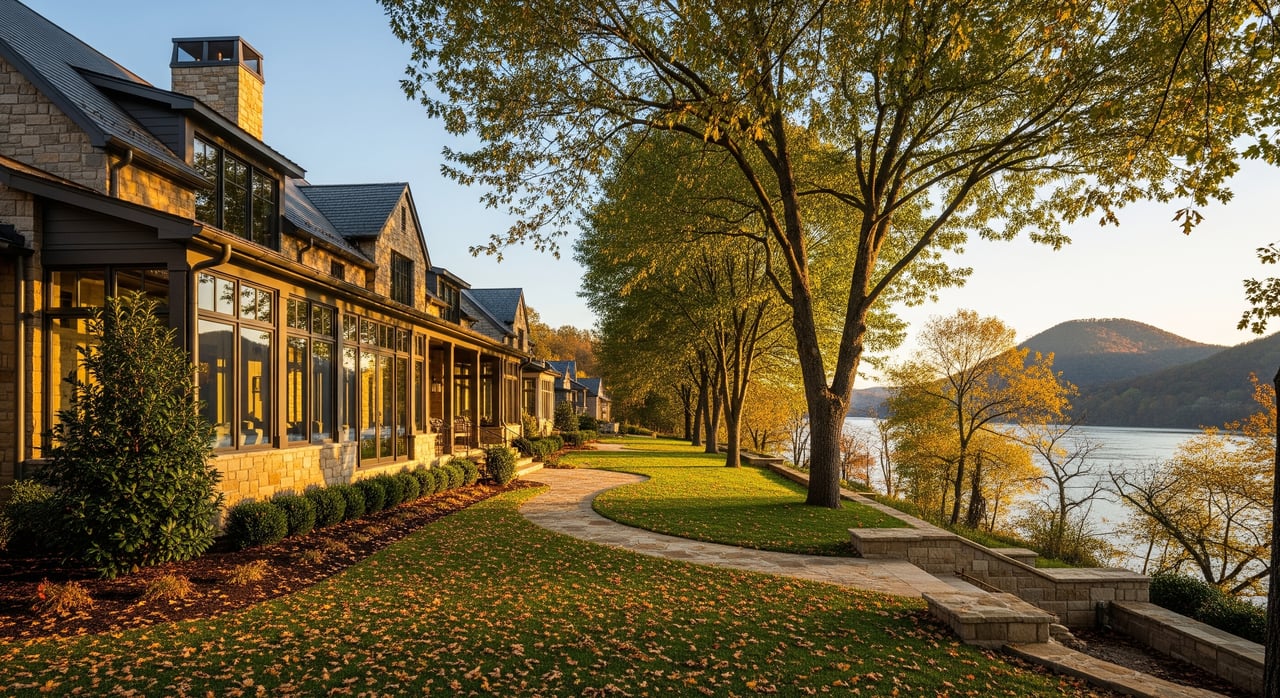
Understanding Chattanooga Market Seasonality & Home Prices
November 21, 2025
November 21, 2025
Do you ever notice how homes in Chattanooga seem to get more attention in spring than in winter? You are not imagining it. Real estate runs on a seasonal rhythm, and understanding it can help you plan smarter, price strategically, and avoid costly surprises. In this guide, you will learn how seasonality affects home prices and activity in Hamilton County, what to watch in the data, and how to time your move for the best results. Let’s dive in.
Most housing markets follow a reliable annual cycle. Activity usually rises in late spring, peaks in late spring to mid-summer, and cools through fall before hitting a low in winter. Prices often crest shortly after the activity peak when buyer competition is strongest. In winter, listings tend to draw fewer showings and more negotiation.
That broad pattern shows up in Hamilton County too. The important nuance is that prices and activity do not always move in lockstep. A month with lots of sales does not guarantee a price jump if supply also expands. You need both demand and tight inventory to push prices higher.
Seasonality is not one-size-fits-all. Chattanooga’s climate, outdoor lifestyle, and local economy shape how strong the seasonal swings feel.
Chattanooga’s winters are relatively mild compared with colder markets, so the winter slowdown is often less dramatic. That said, you will still see a dip. Homes with outdoor amenities, from riverfront patios to Lookout Mountain views, benefit from spring and summer showings when landscaping and light are at their best.
A steady pipeline of tech and manufacturing jobs has drawn new residents in recent years. That can support demand year-round and soften seasonal peaks. At the same time, relocations still cluster in late spring and early summer. Remote work gives some buyers flexibility to move off-peak, which can reduce the amplitude of seasonal swings.
Families often plan moves around the Hamilton County school calendar. That concentrates listings and closings in late spring and early summer. The University of Tennessee at Chattanooga also creates a late summer turnover in the rental market. Investor activity can rise around student move-in and move-out periods.
Tourism builds in spring and summer. More visitors can mean more exposure for neighborhoods near outdoor amenities and the riverfront. The effect is modest, but sellers in these areas may see increased interest during warmer months.
Builders typically ramp up site work and sales in spring and summer. That can increase new listing supply in those months and may temper price spikes if supply meets demand more evenly.
Rainier months can highlight drainage, slope, or flood-zone considerations. Some sellers prefer to list in drier windows when homes show their best. Buyers should use seasonal conditions to their advantage during inspections.
In many years, Hamilton County activity and pricing firm up in spring, with sale prices often strongest in late spring through mid-summer. Winter usually brings fewer showings, a bit more time on market, and more room for negotiation. Exact timing can vary year to year based on mortgage rates, inventory, and local job news. Track current-year data to confirm the pattern before you decide when to list or buy.
You can make better decisions by keeping an eye on a few monthly indicators for Hamilton County. Compare the latest month to the same month last year and use rolling three-month averages to smooth noise.
Local sources such as Greater Chattanooga Realtors market statistics and regional economic updates can help you track these series. National rate summaries are also helpful for reading demand shifts.
Listing timing is not just about the calendar. It is about aligning your property with when it will show best, face the right level of competition, and meet buyers where they are.
Timing your search can expand your options or improve your negotiation leverage.
Even reliable patterns can shift. Keep an eye on big drivers that can reshape the curve.
Here are a few ways to apply this to real decisions.
If you are moving from a long-held home, a late March or April listing often captures strong spring traffic. Invest in professional photography that highlights outdoor spaces. Have a plan for your purchase so you can respond confidently to fast offers.
If your move date is flexible, consider fall or winter to reduce competition on your purchase. Inventory will be thinner, so start the search early. Build in extra time to coordinate inspections and logistics across state lines if needed.
Watch late summer around UTC for rental turnover and listings that align with student demand cycles. If you want to negotiate, winter can be productive, provided you are patient about selection.
Seasonality will not make or break your move by itself, but it can sharpen your strategy. When you overlay monthly data with your goals, timing, and property features, you put yourself in position to win in any market month.
If you want a custom timing plan or a data-backed pricing strategy for Hamilton County, connect with an experienced local advisor. Reach out to Jane Armstrong to discuss your goals or request a Free Home Valuation.
Stay up to date on the latest real estate trends.

Your real estate journey deserves a partner who listens, understands, and delivers. Jane Armstrong combines experience, local insight, and a personal touch to help you achieve your goals, no matter where you are in the process.